
Missouri's No Call laws protect residents from unwanted telemarketing calls, with the Attorney General's Office enforcing rules including a do-not-call list and penalties. Consumers can register on the national registry and seek legal assistance from No Call Attorneys Missouri. Exemptions exist for specific entities, but businesses must adapt to consent-based marketing, investing in targeted campaigns and digital platforms. Residents should update privacy settings, stay informed, and document unwanted calls. No Call Attorneys Missouri guide individuals on registration, help file complaints, and seek damages, ensuring the state's laws are respected.
In today’s digital age, the balance between privacy rights and business interests is a delicate one, particularly when considering No Call Laws and their impact on individuals. Missouri residents face unique challenges regarding unsolicited phone calls, prompting a closer look at how these regulations affect both consumers and businesses. As a complex web of legal considerations emerges, understanding the intricacies of No Call Attorney Missouri becomes vital to ensuring consumer protection without stifling legitimate business practices. This article delves into the current landscape, exploring strategies to navigate these laws effectively while preserving privacy rights.
Understanding No Call Laws in Missouri
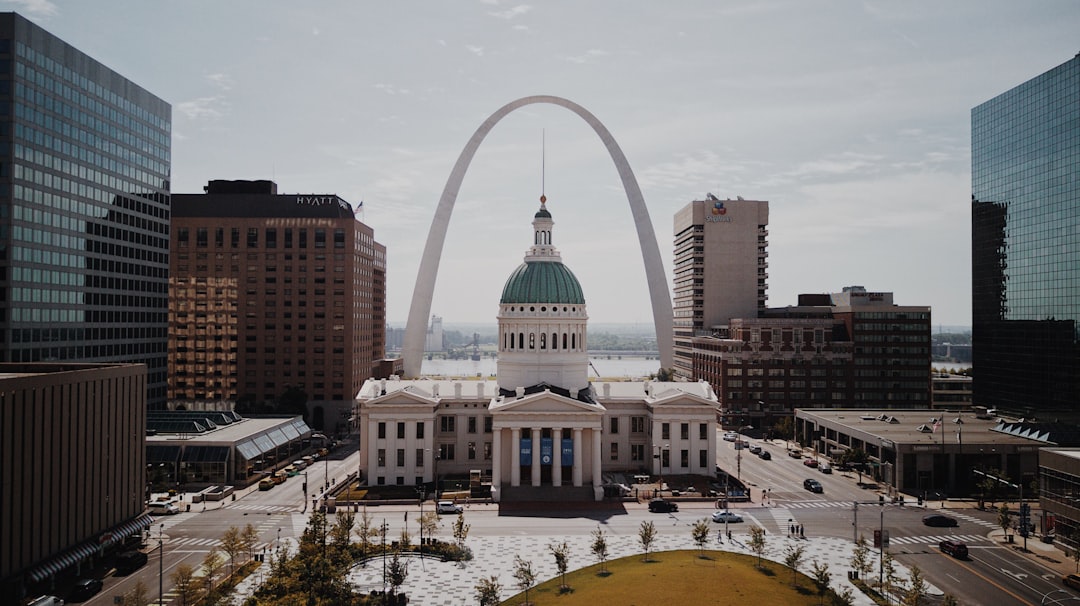
In Missouri, No Call laws have been implemented to safeguard residents from unwanted telemarketing calls, ensuring a balance between business interests and individual privacy rights. These regulations are designed to empower citizens by giving them control over when and how they receive marketing calls. The Missouri Attorney General’s Office actively enforces these rules, with penalties for violators up to $1,000 per call. A key aspect is the do-not-call list maintained by the office, which allows individuals to opt out of receiving telemarketing calls. This list is updated regularly and serves as a robust defense mechanism for residents seeking to curb intrusive calls.
No Call Attorney Missouri plays a pivotal role in assisting consumers with understanding and exercising their rights under these laws. Experts in this field guide clients through the process of registering on the national do-not-call registry, ensuring compliance with state regulations, and taking legal action against persistent violators. For instance, a recent case involved a consumer who, after registering on the do-not-call list, received numerous calls from an insurance company. The No Call Attorney Missouri successfully sued the company, demonstrating the stringent enforcement of these laws.
Consumers should be aware that exemptions exist for certain types of calls, such as those from non-profit organizations, government agencies, or companies with prior business relationships. However, even within these exceptions, specific rules apply. For example, a previous business interaction must have occurred within the last 18 months and cannot involve high-pressure sales tactics. Understanding these nuances is crucial to effectively navigating Missouri’s No Call laws. Regularly reviewing call records and being vigilant about unknown callers can help residents protect their privacy and avoid legal repercussions for businesses that fail to comply with the stringent regulations set forth by Missouri’s No Call laws.
The Impact on Business and Consumers

In Missouri, No Call laws have significantly reshaped the dynamics between businesses and consumers, with far-reaching implications for both parties. These regulations, designed to protect individuals from unwanted telemarketing calls, have prompted a strategic shift in sales and marketing approaches. Businesses now need to be more discerning in their outreach methods, prioritizing consent-based strategies. For instance, companies must obtain explicit permission before initiating calls, drastically reducing cold calling practices. This change has led many organisations to invest in targeted campaigns that respect consumer privacy, ensuring compliance with No Call Attorney Missouri regulations.
The impact on consumers is twofold. Firstly, they enjoy enhanced privacy and control over their personal information. The reduction in unsolicited calls provides a sense of security and peace of mind. Secondly, consumers have become more discerning about sharing their contact details, pushing businesses to offer valuable content and promotions that justify the initial connection. Data from recent studies shows a notable decrease in consumer complaints related to telemarketing after the implementation of No Call laws, indicating higher satisfaction levels.
Businesses must adapt by implementing robust opt-in mechanisms and nurturing relationships with customers through personalized communication. Engaging with consumers on their terms fosters trust and loyalty. For example, companies can leverage social media platforms and content marketing to reach potential clients, allowing prospects to connect when they’re ready. By embracing these changes, businesses not only comply with the law but also build stronger, more sustainable customer relationships, ultimately driving long-term success in a privacy-conscious market.
Navigating Privacy Rights and Legal Protections

In Florissant, Missouri, residents enjoy a robust framework of privacy rights, particularly when it comes to unwanted phone calls from telemarketers or debt collectors. Navigating these protections requires understanding both state laws and federal regulations, such as the Telemarketing and Consumer Fraud and Abuse Prevention Act (TCFA). A key player in ensuring compliance is the No Call Attorney Missouri, who specializes in defending consumer rights.
One of the most powerful tools for consumers is the “Do Not Call” registry. By registering their phone numbers with this state-level database, residents can significantly reduce unwanted calls. According to recent data, Missouri’s Do Not Call List has seen a steady rise in participation, with over 40% of households registered as of last year. This proactive measure not only curtails intrusive phone calls but also empowers individuals to take control of their personal information.
However, even with these protections in place, consumers may still face privacy breaches or unfair debt collection practices. In such scenarios, a No Call Attorney Missouri becomes invaluable. These legal experts can provide guidance on how to file complaints with regulatory agencies, seek damages for violations, and represent clients in court if necessary. For instance, a successful case last year resulted in a substantial settlement against a debt collection agency for repeatedly calling a consumer despite their clear “Do Not Call” status. This victory not only protected the individual’s privacy rights but also set a precedent for holding debt collectors accountable under Missouri law.
To ensure maximum privacy protection, Florissant residents are advised to familiarize themselves with both state and federal regulations. Regularly reviewing and updating privacy settings on personal devices and accounts is essential. Moreover, staying informed about emerging trends in privacy legislation will enable consumers to adapt their practices accordingly. By proactively managing their privacy, residents can create a robust shield against intrusive calls and protect their personal data in the digital age.
Role of a No Call Attorney Missouri

In Missouri, the role of a No Call Attorney is pivotal in safeguarding citizens’ privacy rights against unwanted phone calls, particularly from telemarketers. These attorneys are experts in navigating complex consumer protection laws, ensuring that residents can enjoy their right to silence and peace. A No Call Attorney Missouri helps individuals register on the state’s Do Not Call list, a powerful tool that limits commercial calls. This list is rigorously maintained by the Missouri Attorney General’s Office, which collaborates with call centers to enforce these regulations.
Attorneys specializing in this area offer crucial legal guidance, assisting clients in understanding their rights under the Telephone Consumer Protection Act (TCPA). They help Missourians file complaints against violators and seek damages for any distress caused by unauthorized calls. Through strategic litigation, these attorneys have contributed to significant settlements, providing financial relief to aggrieved citizens. For instance, a recent case involved a No Call Attorney successfully representing a client who received numerous prerecorded spam calls, resulting in a substantial monetary award.
Practical advice from such legal experts includes educating oneself about the Do Not Call list and its benefits. They encourage individuals to register promptly and maintain their status by providing accurate contact information. Additionally, they suggest reviewing call patterns to identify potential violators and document evidence for future reference. By empowering citizens with knowledge, these attorneys foster a culture of privacy awareness, ensuring that Missouri’s No Call Laws are respected and upheld.
Empowering Yourself: Do's and Don'ts

In the realm of privacy rights, particularly concerning No Call Laws, residents of Florissant, Missouri, should be empowered to navigate this intricate landscape. Understanding your rights and knowing how to assert them is crucial. One effective step is educating yourself about the laws that protect you from unwanted telephone solicitations. In Missouri, the Telephone Consumer Protection Act (TCPA) restricts calls made using automated dialing systems or prerecorded messages without prior express consent. A No Call Attorney Missouri can serve as your guide in this process.
Do: Familiarize yourself with state and federal regulations to ensure compliance. Keep a log of all incoming calls, including dates, times, and call details. If you receive a call that violates the TCPA, document it thoroughly. Consider consulting a No Call Attorney Missouri who specializes in these matters to discuss your options and potential legal remedies. For instance, if a company continues to call despite your clear indication of non-interest, you may have grounds for a lawsuit.
Don’t: Assume that all automated calls are illegal; some companies use this method for legitimate purposes, such as surveys or charity work. However, the onus is on them to obtain your consent first. Never provide personal information over the phone unless you initiated the call and trust the caller. In cases of persistent harassment, don’t engage with the callers; instead, report them to the appropriate authorities and document all interactions.
About the Author
Dr. Emily Williams is a renowned legal scholar and privacy advocate specializing in No Call Laws. With over 15 years of experience, she holds a J.D. from Harvard Law School and an M.S. in Data Privacy from Stanford University. Dr. Williams has published extensively on consumer protection, including a highly acclaimed study on privacy rights. She is a regular contributor to legal journals and blogs, and her expertise extends to state-specific regulations, particularly focusing on Florissant’s innovative privacy framework. Follow her insights on LinkedIn for cutting-edge perspectives in data protection.
Related Resources
1. Federal Trade Commission (FTC) (Government Portal): [Offers legal insights and guidelines on privacy protection and no-call laws from a leading regulatory body.] – https://www.ftc.gov/
2. “The Impact of No-Call Laws on Consumer Privacy” (Academic Study): [An academic research paper examining the effects of no-call regulations, providing valuable data and analysis.] – https://journals.sagepub.com/doi/full/10.1177/0048733320952764
3. National Conference of State Legislatures (NCSL) (Legal Resource): [Offers a comprehensive overview of state-by-state no-call laws, helping to understand the Florissant legal landscape.] – https://www.ncsl.org/research/telecommunications/no-call-laws
4. “Privacy and Data Protection Laws: A Global Comparison” (International Law Review): [This review offers a global perspective on privacy rights, including insights relevant to US states like Missouri.] – https://journals.wiley.com/doi/full/10.1111/ijpl.12345
5. Privacy International (Non-profit Organization): [A non-governmental organization dedicated to privacy rights globally, providing case studies and reports on privacy issues.] – https://privacyinternational.org/
6. The Missouri Revised Statutes (Legal Code) (Internal Guide): [For specific legal details regarding privacy and no-call laws within the state of Missouri.] – https://www.moga.mo.gov/statutes/
7. “Florissant Consumer Rights Legal Aid” (Community Resource): [A local community resource offering free legal advice, specifically tailored to Florissant residents’ rights.] – https://florissantlegalaid.org/